
Why Music Festivals Are Canceling in 2025: A Crisis Facing the Live Music Industry
From economic pressure to changing fan behavior, explore the real reasons over 40 music festivals have been canceled this year.
Summer 2025 was supposed to be festival season. Instead, it’s become a wave of cancellations, refund drama, and fan frustration. More than 40 music festivals have already been canceled in the first half of the year, according to CNN — and even iconic names like Pitchfork and Firefly aren’t being spared.
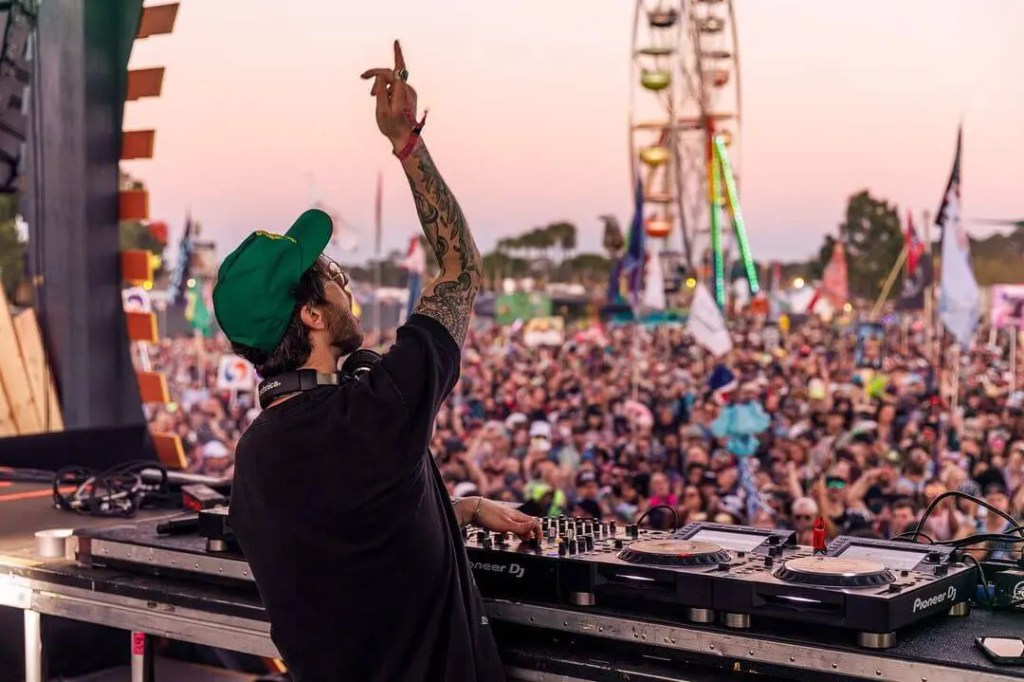
Source: Google Images
For decades, festivals were the heart of live music culture. They were about discovery, community, and shared experience. But in 2025, the model appears to be breaking. Festivals are struggling to compete with artist-led tours, inflation is crushing both fans and promoters, and the magic that once defined the scene is fading fast.
RELATED: Why Burning Man 2024 Didn’t Sell Out, First Time in a Decade
Upcoming Festivals
EDSea
Atlantic Ocean
Lost Lands
Thornville, OH
EDC Orlando
Orlando, FL
Austin City Limits
Austin, TX
Sponsored
Mass Cancellations Sweep the Industry
The list of canceled festivals in 2025 reads like a who’s who of the live music world. Pitchfork Music Festival, an indie staple in Chicago for nearly 20 years, quietly disappeared after its 2024 edition. It joins Landslide, Gem and Jam, and legendary festivals like Firefly and Made in America, neither of which have returned since 2022.
This isn’t limited to smaller events. Even well-funded, mainstream festivals like Excision’s Paradise Blue and Burning Man are cancelling or dramatically scaling back. The pattern is too widespread to ignore.
Even Electric Forest, a veteran festival, faced criticism in 2024 when storms forced an early shutdown without full refunds. That misstep still haunts its 2025 ticket sales.
What’s Causing the Collapse of Music Festivals in 2025?
1. Stadium Tours Are Replacing Festivals
Today’s fans are more likely to spend their money on a solo headliner tour than a multi-day festival. Stadium shows offer better production, curated experiences, and more value for die-hard fans. Why pay $600+ for a weekend pass when you can see your favorite artist up close with guaranteed sound and stage time?
As Will Page, former Spotify chief economist, explained to CNN: “You go all in to see Taylor Swift, and you don’t bother with the festival.”
2. Inflation and Cost of Living
Festival tickets are more expensive than ever. Add travel, accommodation, food, and fees, and a single weekend can easily exceed $700. In a tough economy, fans are being more selective with their spending — and for many, festivals are no longer worth the price tag.
3. Lineup Fatigue and Repetition
The same artists are headlining multiple festivals. Acts like Tyler, the Creator and Olivia Rodrigo are topping bills at both Bonnaroo and Lollapalooza, making once-unique events feel generic. Fans are noticing — and opting out.
4. Refund Issues and Last-Minute Chaos
Events like Midwest Dreams have damaged trust. That new EDM festival in St. Louis was canceled a week before launch, citing tornado damage, yet other events at the same venue remained scheduled. Attendees were initially given only 24 hours to request refunds before passes were automatically rolled over. After backlash, organizers extended refund options — but the damage was done.
Summary
The music festival model is collapsing in 2025 under the weight of inflation, changing fan behavior, and corporate fatigue. With over 40 cancellations and more expected, the industry is facing a reset. The future likely belongs to festivals that are smaller, smarter, and built with intention — not just scale. Whether fans choose to return will depend on whether the experience truly evolves.
Get $20 OFF Your Next Festival
Delivered Immediately
Recent Posts
Is Martin Garrix’s Infamous Ed Sheeran Collab Finally Releasing in 2026?

The Best EDM Festivals in North Carolina

Framework presents, “re:frame” in Los Angeles 2025–2026

Friendship 2026 Official Lineup: The Final Voyage

PLAYY. Launches $25K Record Deal Competition for Independent Artists & DJs

Max Styler Crowned #1 DJ in the World (2025)

