
What is EDM?
Complete Guide to Electronic Dance Music: Origins, Subgenres & MORE Explained.
EDM stands for Electronic Dance Music, a global movement that spans dozens of subgenres, festivals, and millions of fans worldwide. At its core, EDM describes music created primarily with electronic instruments — synthesizers, drum machines, and digital audio software — designed for dancing and often experienced in clubs, festivals, and raves.
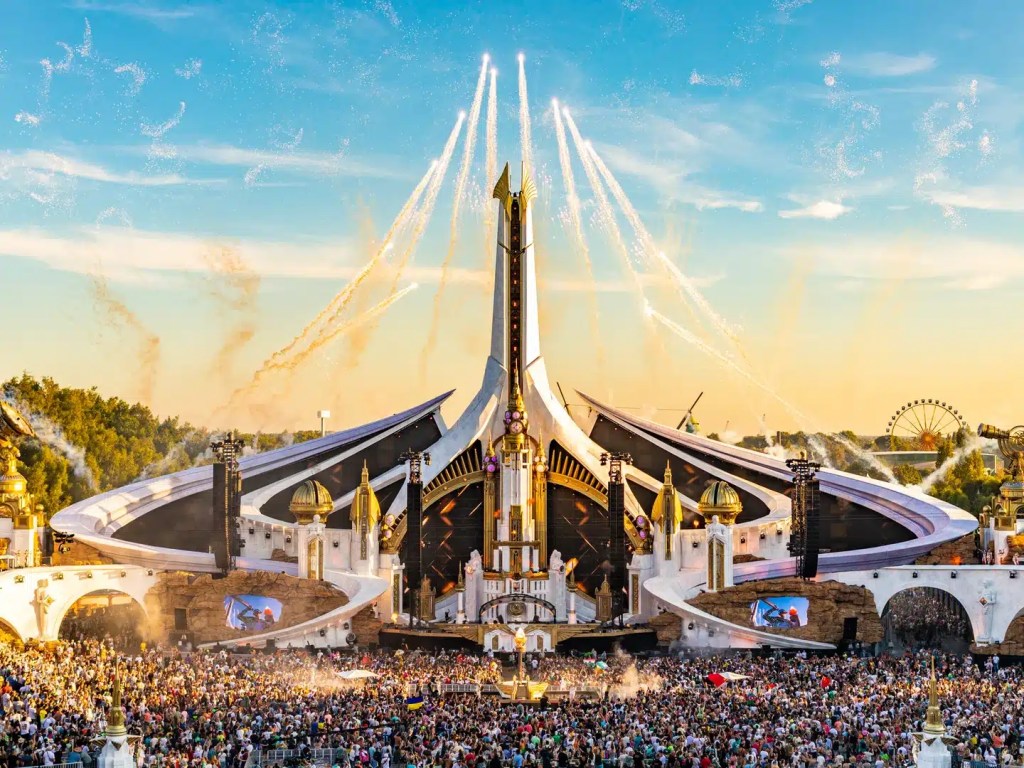
Source: Google Images
Frequently Asked Questions FAQs
| Fact | Details |
|---|---|
| Origin | 1980s Chicago house & Detroit techno |
| Global Spread | 1990s UK rave → 2000s global festivals |
| Key Subgenres | House, Techno, Trance, Dubstep, Drum & Bass, Progressive, Future Bass |
| Typical BPM | 120–150 BPM (DnB up to 180 BPM) |
| Biggest Festivals | Tomorrowland, EDC Las Vegas, Ultra Miami |
Upcoming Festivals
EDSea
Atlantic Ocean
Lost Lands
Thornville, OH
EDC Orlando
Orlando, FL
Austin City Limits
Austin, TX
Sponsored
What is EDM? Meaning Explained
EDM is an umbrella term. It doesn’t describe a single sound, but rather a family of styles: from the deep grooves of house music to the relentless pace of techno, the euphoria of trance, and the heavy basslines of dubstep.
In everyday use, “EDM” became mainstream in the early 2010s to describe the explosion of electronic dance genres in the U.S. and Europe. Purists sometimes argue that the term oversimplifies diverse traditions, preferring “electronic music.” Both are correct: EDM is shorthand for the festival-driven, dancefloor-focused side of electronic music, while electronic music can also include experimental, ambient, or academic styles.
The Origins and Evolution of EDM
EDM’s roots stretch back to the 1980s, when DJs and producers in Chicago and Detroit pioneered the sounds of house and techno using affordable drum machines and synths. At the same time, UK rave culture gave rise to early breakbeat, jungle, and hardcore scenes.
The 1980s
House and Techno Foundations
Chicago house legends like Frankie Knuckles and Detroit techno pioneers like Juan Atkins and Derrick May laid the groundwork. Acid house added squelching 303 basslines to the mix, setting off the UK rave boom.
The 1990s
Rave Culture and Trance
The UK rave scene flourished, with genres like jungle and drum and bass gaining momentum. Meanwhile, trance became a European export, delivering euphoric melodies that filled stadiums and clubs alike.
The 2000s–2010s
Global Festival Explosion
By the early 2000s, EDM had become a global phenomenon. Artists such as Tiësto, David Guetta, and Swedish House Mafia brought electronic music into stadiums and onto pop charts. Festivals like Tomorrowland and Electric Daisy Carnival defined EDM as a cultural movement, drawing hundreds of thousands of fans.
The 2020s
Streaming and AI in EDM
Streaming platforms and TikTok accelerated global reach, while AI-driven production tools and immersive festival design reshaped the experience. EDM today is as much about community and culture as it is about sound — a shared language of beats, visuals, and connection.
The Main Subgenres of EDM
EDM isn’t one sound — it’s a spectrum of styles, each with its own history, tempo, and fan culture. Below are the most influential genres that make up the EDM landscape today, with links to full HouseWub explainers for deeper dives.
House Music
Born in Chicago in the 1980s, house music is built on steady four-on-the-floor rhythms and soulful grooves. It’s the backbone of modern dance music, influencing everything from underground clubs to the biggest festival main stages.

Techno
Emerging from Detroit, techno emphasizes machine-like precision and hypnotic repetition. Known for its darker, industrial tones, it remains a pillar of underground raves and European festivals.
Dubstep
Rising out of the UK in the early 2000s, dubstep is known for its heavy basslines, half-time rhythms, and wobbling sound design. The genre helped shape the bass music scene that dominates North American festivals today.

Trance
Defined by soaring melodies and long, euphoric builds, trance became a global force in the 1990s. It’s still beloved for its emotional intensity and festival-ready anthems.

Drum & Bass
With breakbeat-driven rhythms and tempos often around 170 BPM, drum and bass remains one of the fastest, most high-energy genres. From UK clubs to global festivals, it’s a cornerstone of the underground.

UK Garage
Emerging from London in the 1990s, UKG combines shuffling rhythms, chopped vocals, and bass-heavy grooves. Its influence is felt in grime, bassline, and modern UK dance culture.

EDM Festivals and Global Culture
Festivals are where EDM comes alive. While tracks may start in studios and spread through streaming platforms, it’s the massive gatherings of fans under a single stage that truly define the culture. From fireworks and towering stages to underground tents and sunrise sets, festivals showcase the diversity and energy of EDM in a way nothing else can.
EDM’s global boom in the 2000s was fueled by the rise of destination festivals, turning raves into worldwide pilgrimages. These events aren’t just about music — they’re about community, self-expression, and belonging. Fans travel across continents, building friendships and movements that extend far beyond the dancefloor.
For the biggest events shaping EDM today, check our dedicated guides:
– What are the 5 Biggest EDM Festivals?
– EDM Festivals 2025 Calendar
– Budget Music Festival Guide
EDM in 2025 and the Future
Electronic Dance Music has always been shaped by technology and culture. In 2025, the scene looks different than it did even five years ago — not because EDM has slowed down, but because it has spread, adapted, and reinvented itself worldwide.
Global Growth and Streaming
According to the latest IFPI Global Music Report, recorded music revenues grew nearly 5% in 2024, with the fastest growth in regions like the Middle East, Africa, and Latin America. These are also regions where EDM festivals, streaming playlists, and local DJ scenes are expanding rapidly. EDM has become a global language, no longer tied only to Europe and North America.
AI and Music Technology
Artificial intelligence is now a fixture in music production. From generative melody tools to AI-driven mastering software, producers are experimenting with ways to create new sounds faster than ever. Festivals are also adopting AI — from personalized visuals synced to the crowd’s movement, to predictive setlists that adapt in real time.
Related: Generative AI in the Music Industry
Immersive Festival Experiences
Stage design has evolved into full-scale immersive environments. Venues like The Sphere in Las Vegas are pushing boundaries with 360-degree visuals, holograms, and interactive lightshows. EDM has always been about sensory overload, and 2025’s festivals take it to unprecedented levels.
Genre Hybridization
EDM today thrives on crossover. From Latin house and reggaeton blends to trap-EDM hybrids and pop collabs, DJs and producers are breaking down boundaries. Younger audiences on TikTok and Spotify are discovering EDM through mashups and genre-blurring hits.
– Generative AI in the Music Industry
– How Elon Musk’s Starlink Could Ruin Raving Forever
– EDM Subgenre Guide
How to Get Into EDM
For newcomers, EDM can feel overwhelming — hundreds of subgenres, thousands of DJs, and festivals that sell out in minutes. The good news? Getting into EDM is easier than it looks. Here are the main entry points.
Start with Playlists and Sets
Begin by exploring curated playlists on platforms like Spotify, Apple Music, or SoundCloud. Live DJ sets on YouTube and Twitch are another great gateway, giving you a feel for how EDM flows in a live environment. Many DJs upload their festival sets, which are perfect for discovering new tracks and styles.
Experience a Festival or Club Night
Nothing compares to hearing EDM on a massive sound system surrounded by thousands of fans. Festivals like EDC and Tomorrowland are bucket-list experiences, but even local club nights can offer a taste of the culture. If you’re new, check out our Budget Music Festival Guide for tips on attending your first event affordably.
Learn to DJ or Produce
Many fans eventually want to step behind the decks or open a DAW (digital audio workstation). DJing and producing are core parts of EDM culture, and today’s gear makes starting accessible. Beginner-friendly controllers and software bundles can help you experiment without breaking the bank.
Check out:
– Top 3 All-In-One DJ Controllers
– Top 5 Affordable Headphones for Music Production
– How to DJ in 5 Steps
Join the Community
EDM thrives on connection. Online forums, Discord groups, and Reddit threads are great for discussions, but nothing replaces meeting people at events. Many long-term friendships and creative collaborations start on a festival dancefloor.
Final Thoughts
Electronic Dance Music is more than just a genre — it’s a culture, a community, and a global language built on rhythm, technology, and connection. From its underground roots in Chicago warehouses and UK raves to the festival mainstages, EDM continues to evolve and inspire.
For newcomers, EDM offers endless pathways: exploring subgenres, attending your first festival, or even learning to DJ. For veterans, it remains a space to reconnect with music, friends, and experiences that transcend borders.
Ready to dive deeper? Start with our complete EDM Subgenre Guide or plan your next trip with the EDM Festivals 2025 Calendar.
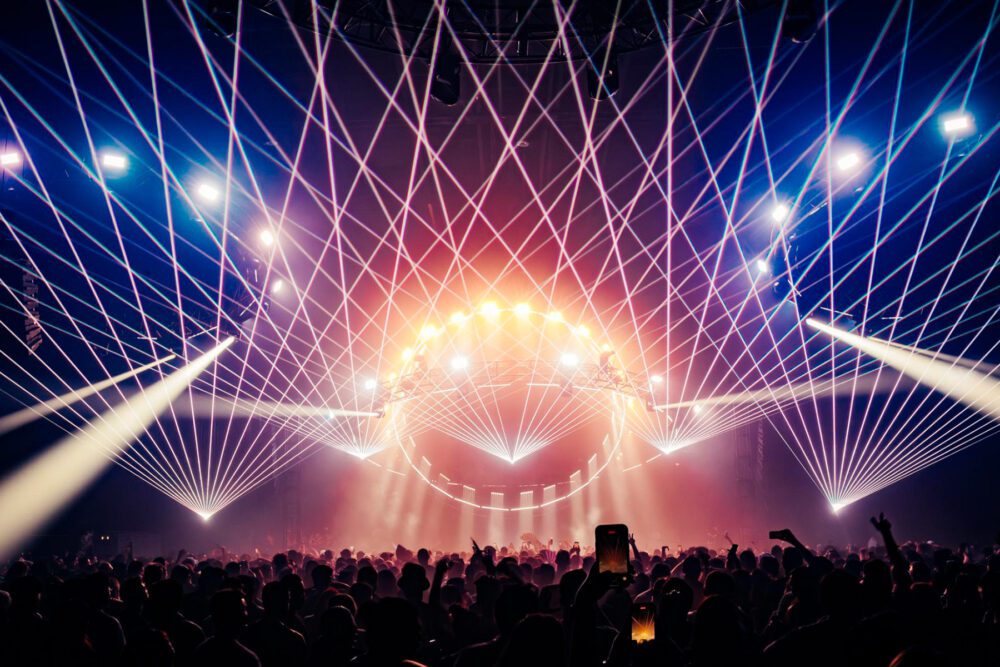
Framework presents, “re:frame” in Los Angeles 2025–2026

PLAYY. Launches $25K Record Deal Competition for Independent Artists & DJs
