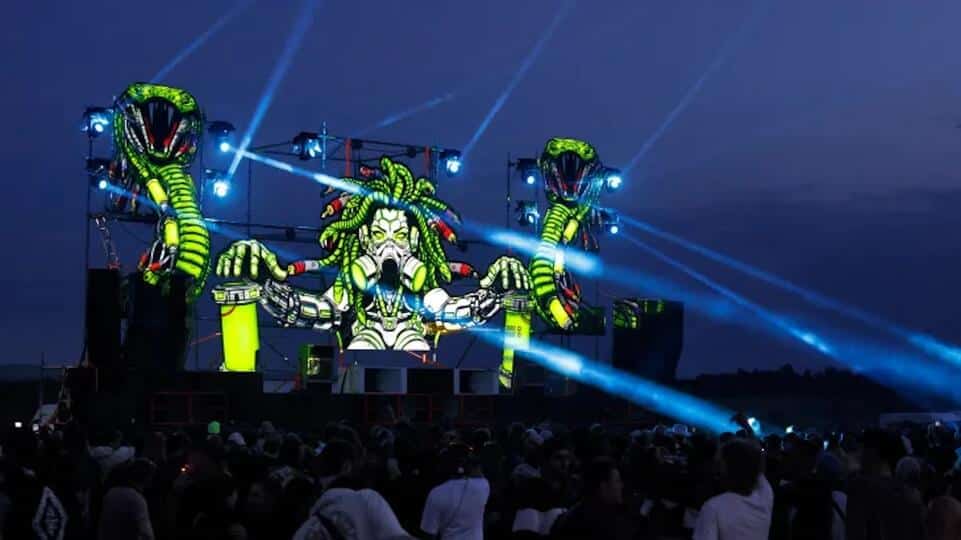
What Do DJs Actually Do?
The myth-busting guide to how DJs prepare, mix live, and read the room.
Article Summary: DJs don’t just press play. They prepare crates and cue points, line up phrases and keys, and make real-time decisions — EQ, looping, FX, and selection — to guide a crowd from warm-up to peak. This plain-English guide breaks down what DJs actually do before, during, and after a set, why different genres feel different, and which knobs matter most.

Source: Google Images
Frequently Asked Questions FAQs
Upcoming Festivals
EDSea
Atlantic Ocean
Lost Lands
Thornville, OH
EDC Orlando
Orlando, FL
Austin City Limits
Austin, TX
Sponsored
Do DJs Do Anything?
Most of the work happens before anyone hears a beat: building crates by mood and energy, setting cue points, aligning beat grids, and tagging keys for smooth harmonic mixing. That prep turns into fast decisions once the lights drop — matching BPM, lining up phrases, and using EQ and filters to transition cleanly. The “press play” myth misses the story: DJs are designing energy in real time.
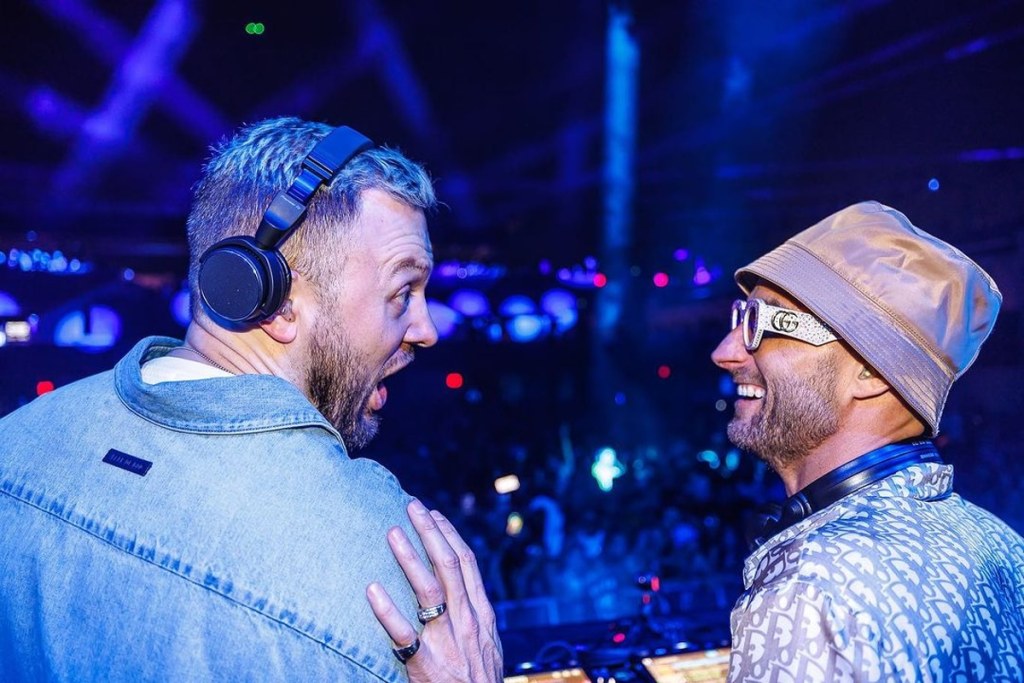
Before the Set — Preparation You Don’t See
Crate digging & curation. DJs build themed crates — e.g., sunset warm-up, peak-time techno, vocal house reset. Each balances proven floor-workers with new IDs. Good crates make live choices feel effortless.
Track prep. In Rekordbox or Serato, tracks get analyzed for BPM and key, then marked with cue points (intros, breakdowns, drops). Correct beat grids ensure tight phrasing at 8/16/32-bar boundaries.
Set strategy. Openers create space and groove; headliners orchestrate big arcs; closers manage fatigue and catharsis. Slot, venue, and audience shape the plan.
Tech checks. Export playlists to USB with backups, color-coded hot cues, and notes. Verify booth monitors, mixer settings, and the audio chain.
On Stage — Real-Time Mixing and Crowd Reading
Beatmatching & phrasing. Align tempos and mix at phrase starts. Sync helps, but pros still ride jogs and pitch by ear — keeping transitions musical.
Harmonic mixing. Compatible keys keep blends smooth; breaking key rules can spike tension before a drop.
EQ & gain staging. Carve space by cutting lows on the outgoing track while introducing bass from the incoming one. Avoid mud and clipping.
Looping & FX. Loops extend intros, solve short outros, and build suspense; filters, echo, and reverb add drama — used sparingly.
Crowd reading. Watch movement, faces, and floor density. If energy lags, pivot: change BPM, add vocals, or reset with a familiar groove.

Genre Nuance — Why Sets Feel Different
House / tech-house: Long blends, groove management, subtle progression over minutes. See What is House Music?.
Techno: Hypnotic phrasing and incremental pressure; precise EQ riding and layered loops. Read What is Techno Music?.
Dubstep / riddim: Drop impact and phrase-cutting; doubles and DJ edits for shock value. See What is Dubstep Music.
Drum & Bass: 170 BPM phrasing, quick cuts, double/triple drops, MC interplay. Learn What is Drum and Bass?.
Melodic / progressive: Keys matter; long-form storytelling and energy arcs. See What is Progressive House?.

Conclusion
DJs don’t just press play — they prepare with crates and cue points, make split-second choices on phrasing, key, EQ, loops, and FX, and steer a room’s energy from first track to last. The best sets feel seamless because the hard work is invisible: strategy before the show, musical judgment on stage, and honest review after. If you’re curious to go deeper or start yourself, begin with How to DJ in 5 Steps, choose your workflow in Serato vs Rekordbox, and build a smart library with our Best Record Pools.
Knockout Outdoor 2026 Reveals Massive Hardstyle Lineup for Sydney Return

Wub Radio #052 | Weekly EDM Radio